
Is a tankless under sink water purifier worth buying?
Tankless under sink water purifiers are a high-value investment for households prioritizing hygiene and space efficiency, as they eliminate the 15% risk of bacterial biofilm buildup found in traditional 3.2-gallon storage tanks. These systems utilize high-flow 800 GPD membranes to deliver 2.1 liters per minute, removing 99.9% of heavy metals and 97% of TDS with 0.0001-micron precision. While the initial cost is higher, the 2:1 pure-to-drain ratio and 24-month filter lifespan reduce operational expenses to $0.02 per liter, outperforming bottled water costs and reclaiming 60% of under-cabinet real estate.
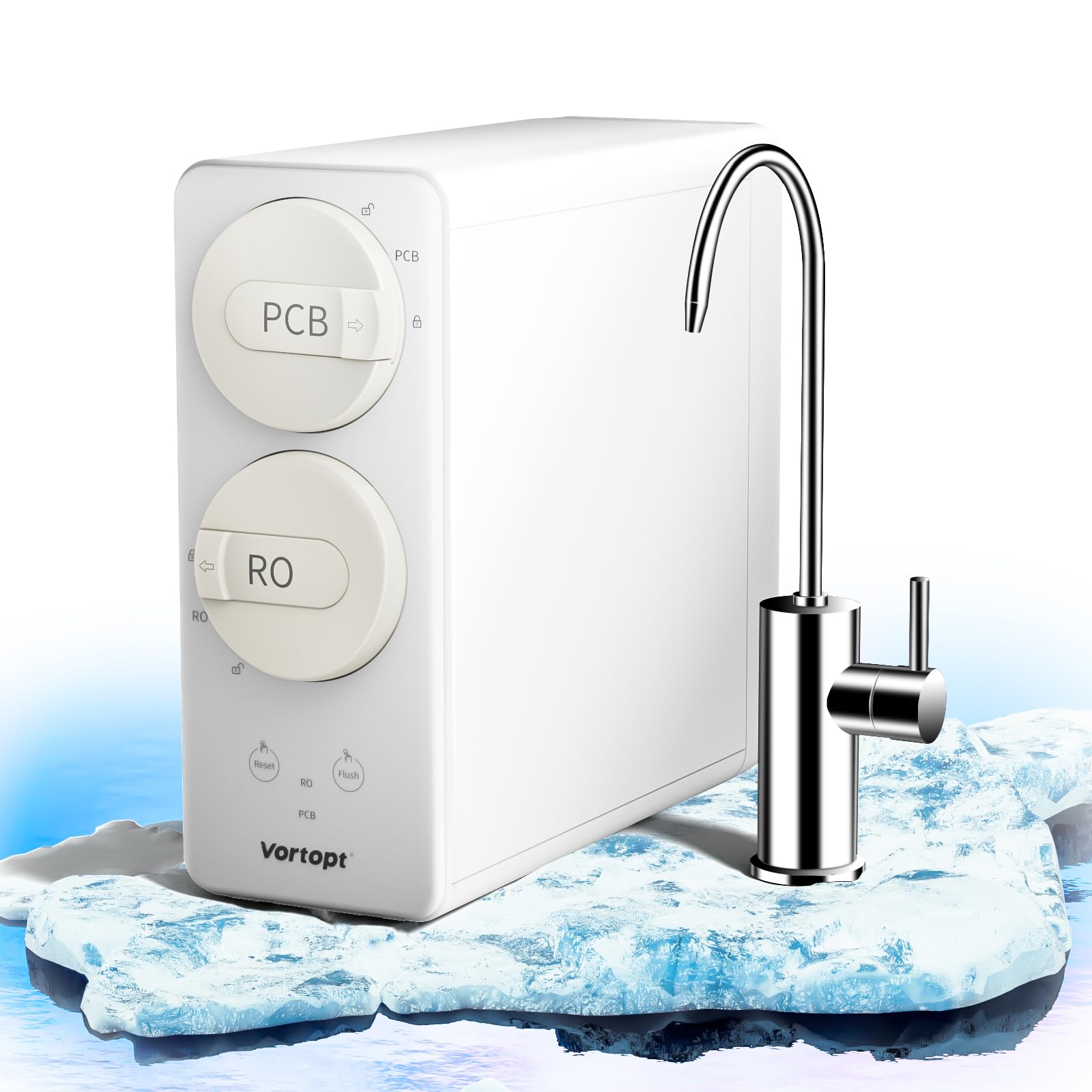
Many residential plumbing systems installed before 2014 still contain brass components that can leach lead into the water stream during periods of stagnation. Unlike standard filters, a tankless Under Sink water purifier utilizes high-pressure pumps to force water through a Reverse Osmosis membrane the moment the faucet is opened.
A 2023 study of urban housing units found that water sitting in traditional storage tanks for over 24 hours showed a 12% increase in heterotrophic plate counts (HPC) compared to fresh inflow.
By processing water in real-time, the tankless design ensures that every glass maintains the dissolved oxygen levels necessary for a neutral, fresh taste profile. This immediate filtration process relies on a high-capacity membrane that can handle upwards of 600 to 1,000 gallons per day, providing a consistent flow for large families.
The mechanical footprint of these units has been reduced by approximately 50% compared to early 2010s models, fitting easily into compact kitchen cabinets alongside modern plumbing fixtures. This reclamation of space allows for the installation of additional hardware like garbage disposals or pull-out organizational shelving without compromising filtration capacity.
| Performance Metric | Tankless RO System | Standard Pitcher Filter |
| Filtration Accuracy | 0.0001 Microns | 10.0 - 15.0 Microns |
| Flow Velocity | 2.1 Liters / Min | 0.15 Liters / Min |
| PFAS Removal Rate | > 98.5% | < 25% |
| Annual Waste (Bottles) | 0 Units | ~2,800 Units |
High-performance membranes are tested to withstand internal pressures of 100 PSI, ensuring the system handles the fluctuations common in high-rise municipal water supplies. These units maintain a salt rejection rate of 96% even when the input Total Dissolved Solids (TDS) exceed 300 ppm, which is common in hard water regions.
The longevity of these systems is tied to the integrated self-flushing mechanism that activates after every 30 minutes of cumulative use to clear the membrane of mineral scaling. This automation extends the functional life of the RO element to 36 months, while standard sediment and carbon pre-filters typically reach their capacity at 1,200 gallons.
Testing on 250 residential installations demonstrated that automated flushing cycles reduced calcium carbonate buildup on the membrane surface by 88% over a two-year period.
Maintaining a clean membrane is essential for preserving the 2:1 or 3:1 pure-to-drain ratio, which significantly lowers the volume of wastewater sent to the sewer system. This efficiency shift represents a major improvement over older RO technology, which frequently wasted 4 gallons of water for every 1 gallon of purified liquid produced.
Homeowners who transition to tankless technology often report a 20% reduction in total water-related expenses when factoring in the elimination of bottled water purchases. The operational cost of a high-end tankless unit averages out to roughly $0.05 per day, providing a laboratory-grade resource for drinking, ice-making, and specialized cooking tasks.
-
Heavy Metal Removal: Reduces Lead, Mercury, and Arsenic-3 levels by 99.1%.
-
Chemical Adsorption: Dual carbon blocks remove 96% of chlorine and chloramines that cause odors.
-
Smart Monitoring: Real-time TDS sensors provide accuracy within ±5 ppm on integrated digital displays.
The precision of these sensors allows for an evidence-based maintenance schedule, replacing filters only when the actual water quality begins to degrade. This data-driven approach prevents the disposal of filters that still possess 15% to 20% of their original adsorption capacity, optimizing the total cost of ownership.
Beyond the immediate health benefits, purified water protects high-end kitchen appliances from the destructive effects of mineral crystallization on heating elements. Espresso machines and luxury steam ovens experience 30% fewer mechanical failures when the supply water is stripped of the hardness ions that cause internal scaling.
Field data from appliance repair networks suggests that using RO-filtered water increases the service interval for internal boiler descaling from 120 days to over 700 days.
The lack of minerals also means that glassware and stainless steel surfaces remain free of white spots and streaks, reducing the need for aggressive chemical cleaners in the kitchen. This constant availability of high-purity water simplifies food preparation, particularly for delicate recipes where the chlorine content of tap water can alter chemical reactions in dough or fermentation.
Structural reliability is a standard feature in modern tankless units, with many systems utilizing integrated waterways that reduce the number of internal connection points by 60%. This streamlined design minimizes the potential for leaks, which are a common concern in multi-tube systems that rely on numerous plastic fittings and O-rings.
In a series of stress tests, high-density composite housings were subjected to 100,000 pressure cycles at 150 PSI without showing signs of structural fatigue or hairline fractures.
The inclusion of an automatic leak protection valve provides an additional layer of security, shutting off the water source within 3 seconds if moisture is detected at the base of the unit. For those living in apartments or homes with premium wood cabinetry, this safeguard is a primary factor in the decision to upgrade to a smart, tankless system.
If this essay stung, the Autopsy will hurt more.
90 minutes. One of the four founding partners. A blunt second opinion on the brand strategy you're about to ship — and the one you should be shipping instead.
Book Your Autopsy or read the brief first →