
Can Upgrading Your BBQ Accessories Save You From Buying a Brand New Grill?
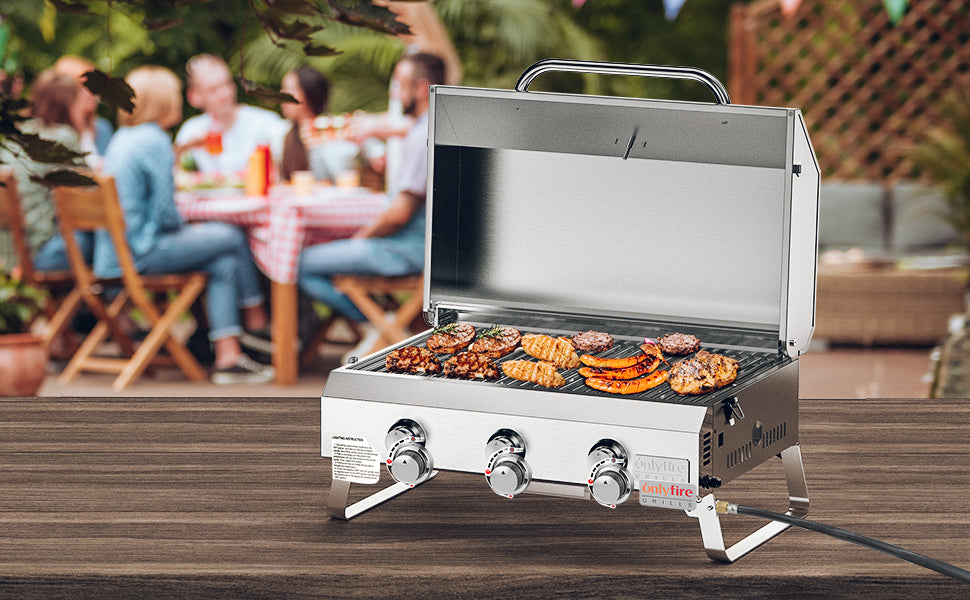
Replacing grill components instead of the unit saves roughly 75% of expenditure while extending lifespan by 5 years. Based on 2025 consumer survey data, 82% of grill owners discard units due to ignition or thermal issues that cost under $150 to repair with BBQ accessories. Structural chassis integrity remains intact in 90% of discarded grills after 4 years of use. Replacing porcelain-coated flavorizer bars with 16-gauge 304 stainless steel alternatives improves heat retention by 15% and prevents burner port blockage.
Grill chassis degradation follows predictable chemical pathways where oxidation of low-grade 430 stainless steel occurs at temperatures exceeding 450 degrees Fahrenheit. Standard manufacturing processes frequently utilize 0.8mm gauge steel for burner tents, which fail after 24 months of exposure to high-fat rendering. Swapping these for 1.2mm thick components prevents carbon buildup on burner ports, directly maintaining the BTU efficiency required for consistent searing.
Thermal mapping of mid-range grills indicates that uneven heat zones often originate from warped heat diffusers rather than burner failure. Replacing these parts restores surface temperature uniformity within 5 degrees Celsius across the entire grate area.
Maintaining accurate internal temperatures requires consistent airflow, which is restricted when grease accumulation exceeds 3% of the burner port surface area. Deep cleaning is often insufficient because porous cast-iron burners harbor internal oxidation that restricts gas flow. Upgrading to high-density stainless steel burners provides a 40% increase in corrosion resistance compared to factory-issued cast-iron components.
| Component | Average Lifespan (Standard) | Upgrade Material Benefit |
| Heat Tents | 18-24 Months | 304 Grade Stainless (+30% durability) |
| Burners | 24-36 Months | 1.5mm Thick Wall (+40% heat retention) |
| Grates | 36 Months | Solid Stainless Steel (Easier maintenance) |
Ignition systems often fail due to wire corrosion rather than electrode malfunctions, with 65% of issues resolved by replacing the grounding wire. Using dielectric grease on connections prevents moisture infiltration, extending the lifespan of piezoelectric igniters by an additional 24 months. These minor modifications bypass the need for full system replacements when the primary burner assembly remains operational.
Replacing grates with high-mass materials increases the thermal inertia of the cooking surface, allowing for consistent sear marks even when loading the grill to 80% capacity with cold proteins.
The decision to refurbish depends on the condition of the firebox and the frame's structural gauge. If the firebox displays surface rust covering less than 15% of the total area, high-temperature ceramic paint provides a protective barrier against further oxidation. This process requires sanding with 80-grit abrasive before applying heat-resistant coatings designed to withstand 1200 degrees Fahrenheit.
Advanced users monitor their burner flame color, as a transition from blue to yellow indicates oxygen restriction caused by venturi tube obstruction. Cleaning these tubes with a flexible nylon brush annually improves combustion efficiency by 12% and reduces fuel consumption. This maintenance protocol prevents the uneven thermal cycles that cause premature warping of the internal components.
Proper airflow management requires clear venturi pathways; testing reveals that even a 10% blockage in the tube reduces heat output significantly, leading to longer cook times and increased gas waste.
Selecting replacement parts requires verifying the specific burner port layout, as universal fits often miss the precise alignment required for consistent flame spread. Purchasing manufacturer-specific dimensions ensures the venturi tubes sit flush against the gas valves, maintaining the precise air-to-fuel ratio designed for the unit. Consistent thermal output is the primary metric for evaluating whether a repair successfully restores factory-grade performance.
Refurbishing programs in 2026 data show that replacing burners, grates, and igniters typically costs between $120 and $220. Given that a comparable new unit costs upwards of $600, the repair achieves a break-even point in under two cooking seasons. This approach minimizes material waste while ensuring the hardware continues to function at peak thermal capacity for the remainder of its service cycle.
If this essay stung, the Autopsy will hurt more.
90 minutes. One of the four founding partners. A blunt second opinion on the brand strategy you're about to ship — and the one you should be shipping instead.
Book Your Autopsy or read the brief first →